BNPB Confirms 57 Cisarua Landslide Victims Identified
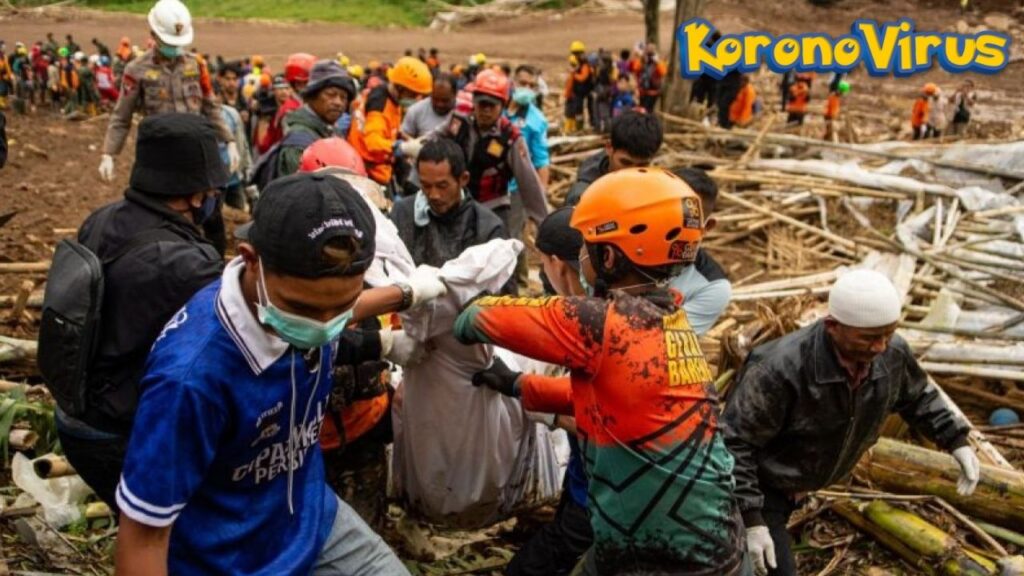
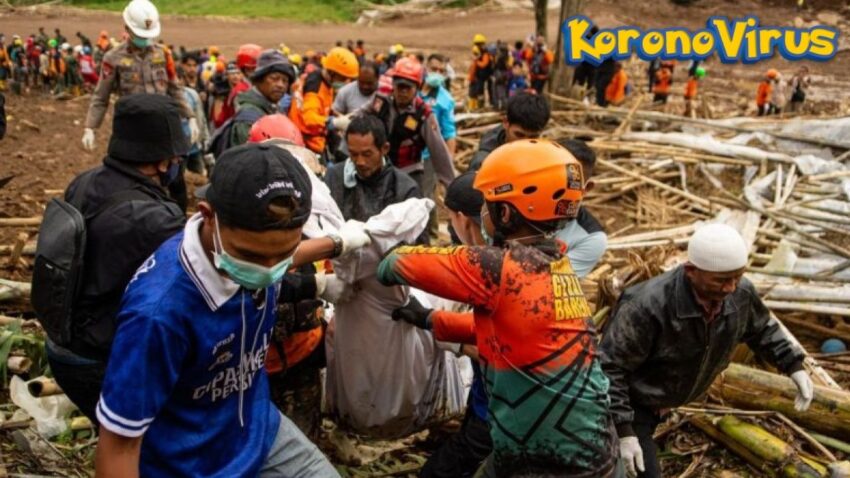
Indonesia’s National Disaster Mitigation Agency BNPB has confirmed that 57 victims of the devastating landslide in Cisarua, West Bandung, West Java, have been positively identified and formally handed over to their families.
The confirmation was delivered on Monday amid ongoing search and recovery operations following the disaster that struck the mountainous area in late January. The landslide, triggered by extreme rainfall, buried dozens of homes and resulted in one of the deadliest natural disasters in the region in recent years.
Identification Process Conducted Since First Day
Head of BNPB’s Disaster Data, Information, and Communication Center, Abdul Muhari, stated that the identification process has been conducted meticulously since the first day of evacuation.
According to Muhari, the identification relied on comprehensive antemortem and postmortem data collected by the Indonesian National Police’s Disaster Victim Identification (DVI) team. The process involved matching physical characteristics, personal belongings, dental records, and forensic findings to ensure accuracy.
“The identification process was carried out meticulously to ensure accuracy before the victims were returned to their families,” Muhari said, as quoted by Antara on Monday.
74 Body Bags Recovered, 17 Still Under Examination
Based on preliminary data compiled as of Sunday at 4 p.m. local time, the joint Search and Rescue (SAR) team had transferred 74 body bags to the DVI team for forensic examination.
Of that total, 57 bodies have been fully identified, while 17 victims remain under forensic analysis. Authorities emphasized that identification will not be rushed, prioritizing certainty over speed to avoid errors.
Officials acknowledged that in landslide disasters, identification is often complicated due to severe trauma, fragmentation, and decomposition caused by soil pressure and prolonged burial.
Ongoing Coordination Across Multiple Agencies
Muhari emphasized that close coordination remains in place among multiple agencies, including the Indonesian National Police, BNPB, the Basarnas, local governments, and referral hospitals.
This coordination is critical to ensuring the smooth handling of victims, logistical support for families, and the continuation of rescue efforts in difficult terrain.
Medical teams and psychologists have also been deployed to support grieving families, many of whom lost multiple relatives in the disaster.
Evacuation Situation Gradually Improving
As recovery efforts continue, BNPB reported gradual improvements in evacuation conditions. According to the latest data, 517 evacuees have returned to their homes after authorities declared certain areas safe.
However, 159 people remain in evacuation shelters, either because their homes were destroyed or because their neighborhoods are still considered unsafe due to unstable soil conditions.
Local governments continue to provide food, medical assistance, clean water, and temporary shelter while longer-term relocation plans are being prepared.
Search Continues for Six Missing Persons
Search and rescue operations resumed on Monday with an expanded operational area. SAR teams are focusing on locating six individuals who are still reported missing, believed to be buried under debris.
At least 18 units of heavy equipment, including excavators and loaders, have been deployed to accelerate debris removal. Manual search teams are also working alongside machinery to avoid damaging potential evidence or remains.
“The search area has been expanded, and all resources are being mobilized to locate the remaining missing persons,” Muhari said.
Weather Remains a Major Challenge
SAR operations continue to face significant obstacles, particularly from weather conditions. Light to moderate rainfall has persisted in the Cisarua area, increasing the risk of secondary landslides and slowing excavation efforts.
Authorities have instructed SAR personnel to prioritize safety and suspend operations temporarily if conditions become too dangerous. Rainfall also complicates soil stability, making it harder for heavy equipment to operate effectively.
Disaster Triggered by Extreme Rainfall
The landslide occurred in the early hours of January 24, following days of intense rainfall across West Java. Saturated soil on steep slopes gave way, sending massive volumes of earth downhill into residential areas.
Dozens of houses were buried, and access roads were cut off, complicating early rescue efforts. Initial reports indicated that at least 80 residents were killed, making it one of the most lethal landslides in the region in recent memory.
Calls for Long-Term Mitigation Measures
In the aftermath of the disaster, BNPB and regional authorities have reiterated the importance of long-term mitigation measures, including stricter land-use regulations, improved drainage systems, and early warning mechanisms in landslide-prone areas.
Experts have also called for reassessment of settlement patterns in high-risk zones, especially in mountainous regions experiencing increased rainfall intensity linked to climate change.
Conclusion
The identification of 57 victims marks a critical milestone in the response to the Cisarua landslide, offering some measure of closure to grieving families. However, the operation remains ongoing, with six people still missing and dozens of survivors continuing to recover from the trauma.
As SAR teams persist under challenging conditions, authorities emphasize that accuracy, safety, and dignity remain central to every stage of the disaster response—while broader efforts focus on preventing similar tragedies in the future.
Baca Juga : BKN Tegaskan Video CPNS Palsu Bukan dari Prof Zudan
Cek Juga Artikel Dari Platform : revisednews